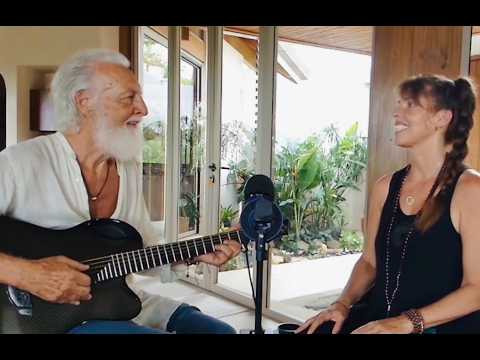
The Gayatri Mantra is one of the oldest and most revered invocations in Hindu and yogic tradition, traditionally chanted at dawn to align consciousness with divine light and wisdom. When sung with intention and understanding, this four-line Sanskrit mantra serves as a bridge between individual awareness and universal intelligence. The mantra addresses the indwelling divine within all beings and calls forth illumination, clarity, and spiritual awakening—making it both a meditation practice and a transformative sonic ritual.
What Is the Gayatri Mantra and Why Does It Matter?
The Gayatri Mantra is not merely a religious chant or cultural artifact—it is a sophisticated invocation designed to attune the mind and body to frequencies of wisdom and light. Composed in Sanskrit, one of the world's oldest liturgical languages, the mantra addresses the divine intelligence that pervades all existence. The practice of chanting or singing the Gayatri Mantra has roots spanning thousands of years, appearing in the Vedic texts as a foundational spiritual technology.
The mantra's power lies not in blind faith but in its structure: the specific phonetic patterns, the rhythm of the Sanskrit syllables, and the intentionality behind the recitation all work together to shift the practitioner's consciousness. When performers like Deva Premal and Miten bring this mantra to live audiences in contemporary concert settings, they are demonstrating that the Gayatri is not confined to temple rooms or monastic spaces—it remains a living practice, accessible to anyone willing to listen and engage with it sincerely.
How Does Sacred Sound Work in Spiritual Practice?
Sound, in the context of mantra practice, is understood as a carrier of intention and consciousness. Each Sanskrit syllable carries energetic resonance; when vocalized, especially in a group or devotional setting, the sound waves interact with the nervous system, calming the mind and creating coherence between breath, thought, and body. This is not mystical thinking—neuroscience increasingly confirms that chanting and singing affect brainwave patterns, heart rate variability, and emotional regulation.
The Gayatri Mantra works through several mechanisms:
- Phonetic precision: The Sanskrit language was designed to encode wisdom into sound. Each syllable, when pronounced correctly, activates specific points in the palate and throat, stimulating the vagus nerve and parasympathetic nervous system.
- Rhythmic entrainment: When the mantra is sung in its traditional melodic form (as in a live performance), the repetition and rhythm synchronize the listener's breath and heartbeat, creating a meditative state.
- Symbolic meaning: The Gayatri addresses the solar principle—the light of consciousness that dispels ignorance. Engaging with the mantra's meaning strengthens the psychological and spiritual intention behind the practice.
- Collective resonance: In a gathering of people chanting together, individual consciousness aligns with group consciousness. This amplifies the effect and creates a field of coherence that is palpable to participants.
When performed live, as in the 2022 Zurich recording, the human voice and the presence of the singers add an element of direct transmission. Practitioners and listeners benefit not just from the mantra's sonic qualities but from the devotion and clarity the performers bring to the chanting.
What Are the Core Elements of the Gayatri Mantra?
The Gayatri Mantra consists of a brief invocation that, despite its brevity, contains profound layers of meaning. The mantra traditionally opens with a Shloka (an auspicious verse), and in this live Zurich performance, the opening includes the "Void" or "Guru Brahma" Shloka, composed by Nicola Janet Wells. This introductory verse sets the spiritual context, honoring the lineage and the principle of emptiness—the void from which all creation emerges.
The Gayatri itself is an address to the divine principle of illumination—the Savitri or solar consciousness. The mantra invokes this light not as a distant, abstract force but as an active intelligence that dwells within the heart of all beings. In chanting it, the practitioner is not asking for something external to arrive; rather, they are recognizing and awakening to the light that already exists within.
The structure of the mantra—its specific meter (Gayatri meter, which has 24 syllables)—makes it distinct from other mantras and gives it its characteristic flow and power. When sung in the melodic form performed by Deva Premal and Miten, the mantra becomes both meditation and music, accessible to ears unaccustomed to Sanskrit while remaining faithful to its traditional form.
How Can the Gayatri Mantra Be Integrated Into Daily Practice?
The Gayatri Mantra is traditionally chanted at Brahma Muhurta, the hour before dawn, when the mind is naturally clearest and the veil between individual consciousness and universal consciousness is thinnest. However, the mantra can be practiced at any time, especially when clarity, courage, or spiritual insight is needed.
There are several ways to engage with the Gayatri:
- Meditation and chanting: Sitting quietly and repeating the mantra silently or aloud, focusing on breath and sound, builds mental steadiness and opens the heart.
- Listening: Listening to a recording, as with the live Zurich performance, allows the mantra to work on the listener's consciousness without the need for pronunciation practice. This is particularly valuable for those new to Sanskrit.
- Kirtan and group chanting: Singing the mantra with others or in response to a lead singer (as in kirtan tradition) deepens the experience through community and creates a field of shared intention.
- Intention-setting: Reciting the mantra while holding a specific intention—for clarity in decision-making, healing, or spiritual insight—channels its energy toward personal and collective transformation.
The key principle is consistency and sincerity. The Gayatri is not a quick fix or a magical incantation; it is a practice that deepens over time, like any discipline. Regular engagement with the mantra gradually attunes the nervous system to frequencies of peace and wisdom, making it easier to access those states throughout daily life.
Why Record and Share the Gayatri Mantra in a Concert Setting?
Recording and performing the Gayatri Mantra in a live concert, as documented in the 2022 Zurich performance, serves several purposes. First, it democratizes access. Not all practitioners have access to traditional teachers or temple environments, but a recorded performance on YouTube brings the mantra into homes, meditation spaces, and private listening settings around the world. The 2022 recording has reached nearly 900,000 views, indicating deep hunger for this type of spiritual content.
Second, a live performance captures something that a studio recording may not fully convey: the presence of the singers, the energy of the gathering, and the sincere intention of the moment. When Deva Premal and Miten perform the Gayatri, they are not simply reproducing an old chant—they are participating in an unbroken lineage while making it alive and relevant for contemporary practitioners.
Third, the artistic arrangement and production (filmed and edited with care, as in this Zurich performance) honors the mantra by presenting it beautifully. This is not diminishing; it is recognizing that spiritual practice and artistic excellence can coexist. The beauty of the presentation invites listeners in and creates the conditions for the mantra to work on multiple levels—sonic, emotional, and spiritual.
Where to Go From Here
If you are drawn to the Gayatri Mantra, begin by listening to recordings with open attention. Allow the sound to wash over you without analysis or expectation. After repeated listening, you may feel called to learn the mantra yourself, or to explore the broader practice of chanting and devotional singing. Many practitioners find that learning the pronunciation and singing along with recordings like the 2022 Zurich performance deepens the practice significantly.
Consider exploring related resources: Deva Premal and Miten offer an app (Gayatri Sangha App) that provides guidance and community around mantra practice. Reading translations and commentaries on the Gayatri can deepen your understanding of its meaning. And if you are fortunate enough to encounter live performances, the direct transmission of sound and presence offers an opportunity for awakening that recorded media alone cannot fully provide.
The Gayatri Mantra invites you to recognize the light of consciousness within yourself and all beings. Whether you approach it as a meditation tool, a spiritual practice, or simply as beautiful music, the mantra's ancient wisdom remains available—waiting to illuminate your awareness and align you with the highest understanding of who you truly are.