Unraveling the Threads of Suffering and Self-Identity
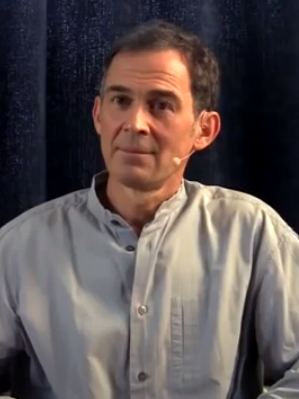
Rupert Spira's assertion that "suffering is the byproduct of self-misidentification" invites us to explore the intricate relationship between our sense of self and the pain we experience in life. At its core, this statement suggests that much of our suffering arises not from external circumstances, but from the ways we perceive and define ourselves. Understanding this dynamic is crucial, as it opens the door to profound transformation and healing, allowing us to navigate our lives with greater clarity and compassion.
As we delve deeper into this idea, we begin to recognize that self-misidentification is not merely a philosophical concept but a lived reality that shapes our experiences. When we cling to a limited or distorted sense of self—whether it be through our roles, beliefs, or past traumas—we inadvertently create a fertile ground for suffering to flourish. This exploration is not just an intellectual exercise; it is a vital inquiry into the essence of who we are and the nature of our existence, prompting us to question the very foundations of our identity.
The image / the metaphor
To unpack the imagery within Spira's quote, we can envision suffering as a shadow cast by the misidentification of our true essence. The verbs "is" and "byproduct" suggest a causal relationship, indicating that suffering is not an inherent aspect of life but rather a consequence of our erroneous beliefs about ourselves. This metaphor evokes a sense of entrapment, where we find ourselves ensnared in a web of self-imposed limitations, unable to see the light of our true nature.
Delving deeper into this metaphor, we can liken self-misidentification to wearing a mask that obscures our authentic self. Each mask we don—be it the mask of success, victimhood, or perfectionism—creates a barrier between our true essence and the world around us. The suffering that arises from this disconnection is akin to a flower struggling to bloom in the shade; it is stunted and unfulfilled, yearning for the sunlight of awareness and acceptance. In this light, the journey toward alleviating suffering becomes a quest to remove the masks and reveal the vibrant, unconditioned self that lies beneath.
In the speaker's tradition
Rupert Spira's teachings are deeply rooted in the non-dual tradition, which emphasizes the interconnectedness of all existence and the illusion of separateness. Concepts such as *sunyata* (emptiness) and *fana* (annihilation of the self) resonate with the idea that our suffering stems from a false sense of individuality. In this context, the path to liberation involves recognizing the transient nature of our identities and embracing the underlying unity that connects us all.
In the *Upanishads*, a foundational text of non-dual philosophy, we find echoes of Spira's insights. The *Tat Tvam Asi* (That Thou Art) teaching encapsulates the essence of self-realization, inviting individuals to recognize their true nature as not separate from the divine. This profound understanding serves as a reminder that our suffering is not a personal failing but rather a misunderstanding of our relationship to existence itself. By aligning with this wisdom, we can begin to dissolve the barriers that perpetuate our suffering.
Living the teaching
Consider a modern scenario where this teaching can be applied: a professional grappling with feelings of inadequacy in a competitive workplace. This individual may identify solely with their job title, equating their worth with their performance and external validation. As a result, they experience anxiety and stress, believing that their value is contingent upon success. By recognizing this self-misidentification, they can begin to detach their sense of self from their professional role, allowing them to approach their work with greater ease and authenticity.
In the realm of relationships, the implications of Spira's teaching are equally profound. Imagine a couple facing conflict, each partner entrenched in their own perspectives and grievances. Their suffering arises from a rigid identification with their roles as "right" or "wrong," which clouds their ability to empathize with one another. By embracing the idea of self-misidentification, they can step back and recognize that their true essence transcends these roles, fostering a deeper connection rooted in understanding and compassion. This shift not only alleviates suffering but also paves the way for healing and growth within the relationship.
A reflection
As we contemplate the depth of Spira's assertion, we are invited to engage in a personal inquiry: What aspects of my identity do I cling to that may be contributing to my suffering? This question encourages us to reflect on the narratives we tell ourselves and the masks we wear, prompting a journey toward greater self-awareness and acceptance. By exploring the roots of our misidentification, we can begin to cultivate a more expansive understanding of ourselves, ultimately leading to a life imbued with peace and authenticity.



Join the BrightStar Community
Stay connected with daily inspiration, event announcements, and community wisdom