The Freedom of Learning: A Teacher's True Gift
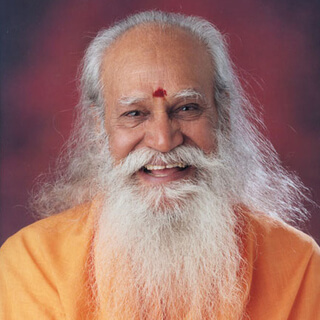
Swami Satchidananda's assertion that "a real teacher creates capable, free students" invites us to reconsider the essence of education and mentorship. This quote encapsulates a profound understanding of the teacher-student relationship, emphasizing that the ultimate goal of teaching is not merely to impart knowledge but to foster independence and capability in students. In a world where information is abundant, the true measure of a teacher lies in their ability to nurture the freedom and potential of their students, guiding them toward self-discovery and personal growth.
At its core, this statement challenges conventional notions of authority in education. It suggests that the role of a teacher transcends the mere transfer of facts; instead, it is about cultivating an environment where students can explore their own paths. This perspective is particularly relevant in today’s educational landscape, where the emphasis on standardized testing and rote memorization often stifles creativity and critical thinking. By focusing on the liberation of the student, Satchidananda invites us to reflect on what it truly means to educate and be educated.
The image / the metaphor
The imagery in Satchidananda's quote evokes a dynamic interplay between teacher and student, where the teacher acts as a facilitator rather than a dictator. The verbs "creates" and "frees" suggest an active, almost artistic role for the teacher, who must skillfully shape the learning experience. This metaphor implies that education is not a one-way street; rather, it is a collaborative journey where both parties engage in a dance of discovery. The teacher's role is to provide the tools and guidance, while the student must take the initiative to wield them effectively.
Diving deeper into this metaphor, we can see that the concept of freedom is central to the learning process. A capable student is not merely one who can recite information but one who possesses the confidence and skills to navigate the complexities of life independently. This freedom is not just about academic knowledge; it encompasses emotional intelligence, critical thinking, and the ability to adapt to new situations. In this light, the teacher becomes a gardener, nurturing the seeds of potential within each student, allowing them to blossom into their unique selves.
In the speaker's tradition
Swami Satchidananda's teachings are rooted in the philosophy of integral yoga, which emphasizes the holistic development of the individual. This approach aligns closely with the concept of dharma, or one's duty, which encourages individuals to pursue their unique paths while contributing to the greater good. In this context, a teacher's role is to help students discover their dharma, guiding them toward a life of purpose and fulfillment. The idea of kenosis, or self-emptying, also resonates here, as a true teacher must be willing to set aside their ego and preconceived notions to allow students to flourish.
In his work, Satchidananda often references the importance of self-awareness and mindfulness, which are essential for both teachers and students. For instance, in the Bhagavad Gita, the concept of prajna, or wisdom, is highlighted as a key attribute for those seeking to understand their true nature. This wisdom is cultivated through a relationship of trust and respect between teacher and student, where both parties are engaged in a mutual quest for knowledge and understanding. The teachings of bhakti, or devotion, further emphasize the importance of love and compassion in this relationship, creating a fertile ground for genuine learning to take place.
Living the teaching
Consider a modern classroom scenario where a teacher encourages students to explore their interests rather than adhering strictly to a prescribed curriculum. In this environment, students are empowered to ask questions, pursue projects that resonate with them, and collaborate with their peers. This approach not only fosters creativity but also instills a sense of ownership over their learning journey. As students become more engaged and invested in their education, they develop the confidence to think critically and act independently, embodying the essence of Satchidananda's teaching.
Another application of this teaching can be found in personal relationships, where the dynamics of mentorship and guidance often play out. Imagine a parent who supports their child's interests and passions, allowing them the freedom to explore different activities without imposing rigid expectations. This nurturing approach cultivates a sense of autonomy in the child, enabling them to develop their identity and make choices that align with their values. In both educational and personal contexts, the principle remains the same: true guidance liberates rather than constrains, fostering capable individuals who can navigate the world with confidence.
A reflection
As we contemplate Swami Satchidananda's profound insight, we might ask ourselves: "In what ways can I foster freedom and capability in those I mentor or guide?" This question invites us to reflect on our roles as teachers, whether in formal settings or in our daily interactions. It challenges us to consider how we can create environments that empower others to discover their potential and embrace their unique paths. By engaging with this inquiry, we can deepen our understanding of what it means to be a true teacher and, in turn, a lifelong learner.




Join the BrightStar Community
Stay connected with daily inspiration, event announcements, and community wisdom