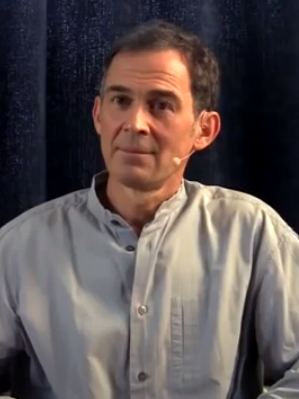
The Essence of Awareness: Beyond the Veil of Experience
In the profound words of Rupert Spira, "You are the awareness of experience, not its object." This statement invites us to explore the distinction between the observer and the observed, urging us to recognize that our true nature is not found in the transient experiences we encounter but in the unchanging awareness that perceives them. Understanding this distinction is crucial, as it shifts our focus from the chaos of external events to the serene depth of our inner consciousness, illuminating the path to self-realization and inner peace.
As we delve deeper into this quote, we uncover a transformative perspective on existence. It challenges the conventional understanding of identity, suggesting that we are not merely the sum of our experiences or the roles we play in life. Instead, we are the underlying awareness that witnesses these experiences, a vast ocean of consciousness that remains untouched by the waves of thought, emotion, and sensation. This realization holds the potential to liberate us from the confines of ego and suffering, guiding us toward a more authentic and fulfilling existence.
The image / the metaphor
The imagery in Spira's quote evokes a powerful metaphorical landscape where awareness is likened to a vast, open sky, while experiences are akin to clouds that drift by. The verbs chosen—"are" and "not"—create a stark contrast that emphasizes the separation between the observer and the observed. This distinction is not merely intellectual; it is a felt sense that can be experienced in moments of stillness and contemplation. When we recognize ourselves as the sky, we begin to understand that the clouds of experience, whether they be joy, sorrow, or mundane tasks, are temporary and ever-changing.
In the speaker's tradition
Rupert Spira's teachings are deeply rooted in the non-dual tradition, which emphasizes the unity of consciousness and the illusion of separation. Concepts such as *advaita* (non-duality) and *sunyata* (emptiness) resonate profoundly with the essence of Spira's quote. In this framework, the realization of our true nature as awareness leads to a dissolution of the ego, allowing us to experience life from a place of wholeness rather than fragmentation. This understanding aligns with the idea of *kenosis*, or self-emptying, where one relinquishes the false sense of self to embrace the fullness of being.
In the context of non-dual philosophy, we can draw parallels to the teachings found in texts such as the *Upanishads*, which explore the nature of consciousness and the relationship between the individual self (*atman*) and the universal self (*Brahman*). The *Upanishads* invite us to inquire into the nature of our existence, ultimately guiding us toward the realization that we are not separate entities but expressions of a singular consciousness. This ancient wisdom echoes Spira's assertion, encouraging us to awaken to the awareness that transcends the fleeting nature of experience.
Living the teaching
Consider a modern scenario where this teaching can be applied: a stressful day at work filled with deadlines and interpersonal conflicts. In such moments, it is easy to become entangled in the emotions and thoughts that arise, identifying ourselves as the stress or frustration we feel. However, by remembering that we are the awareness of these experiences, we can create a space of observation. This shift allows us to respond to challenges with clarity and composure, rather than reacting impulsively out of a sense of overwhelm.
Another application of this teaching can be found in our relationships. When conflicts arise, it is common to become absorbed in the roles we play—partner, friend, or colleague—often leading to misunderstandings and hurt feelings. By recognizing ourselves as the awareness that observes these interactions, we can approach our relationships with greater compassion and understanding. This perspective fosters a sense of connection that transcends the surface-level disagreements, allowing us to engage with one another from a place of love and acceptance rather than defensiveness.
A reflection
As we contemplate the depth of Spira's quote, we are invited to reflect on our own experiences of awareness. In moments of stillness, ask yourself: "What is it like to be the awareness that observes my thoughts and feelings, rather than becoming lost in them?" This question encourages a deeper exploration of your inner landscape, inviting you to cultivate a sense of presence that transcends the fluctuations of daily life. By embracing this inquiry, you may find a profound sense of peace and clarity that resides within you, waiting to be discovered.



Join the BrightStar Community
Stay connected with daily inspiration, event announcements, and community wisdom